
Fuel Poverty explained
Addressing fuel poverty and cold homes can have many benefits, for the household, local communities and the economy.
Some of these benefits include –
- Improved health
- better standards of living and condition for people with low incomes
- improved and more energy efficient houses
- fewer avoidable winter deaths
- reduced costs for the health, wellbeing and care services.
Fuel poverty figures have been on the rise over the last ten years and Blackburn with Darwen is within the worst 20% of local authorities in England for fuel poverty.
What is Fuel Poverty?
There are many definitions of what fuel poverty is. There are many complicated and different definitions; however, a simple explanation is –
A household is said to be in fuel poverty when its members cannot afford to keep adequately warm at a reasonable cost, given their income.
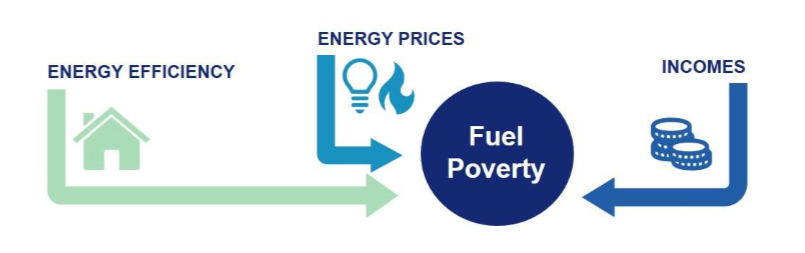
It is generally agreed that the fuel poverty is caused by an amalgamation of three factors; Household income, energy costs and the energy efficiency of the property.

households in England were
fuel poor (10.3%)
Fuel Poverty Explained: How is Fuel poverty measured?
The Low Income High Cost (LIHC) indicator is the official fuel poverty indicator used in England. It classes a household as being in fuel poverty if its required energy costs are above the average (median) or its household type and this expenditure pushes it below the poverty line.
The three factors, which effect Fuel poverty, are Energy Efficiency, Energy Prices and Incomes. Find out who is most affected by fuel poverty here.
Fuel poverty Gap
der to understand the fuel poverty gap, we need to understand the difference between the average gap and aggregate gap. The fuel poverty gap is the extra household income that would be needed to bring a household to the point of no longer being “fuel poor”.
Fuel Poverty Gap: Average vs Aggregate
AVERAGE GAP is the reduction in fuel bill that the average fuel poor household needs in order to not be classed as fuel poor.
AGGREGATE GAP is the sum of all fuel poor households’ gaps.
The Average fuel Poverty gap for England in 2018 was
£334

Up from £328 in 2017
The Aggregate fuel Poverty gap for England in 2018 was
£802m

down from £830 in 2017
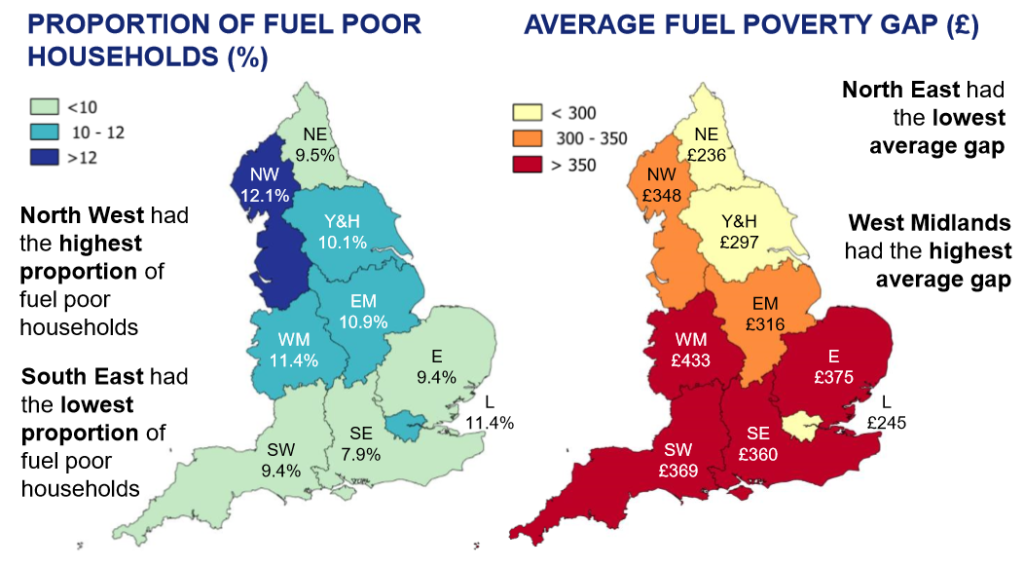
According to the Department of Business, Energy and Industrial strategy (BEIS), the proportion of households in fuel poverty during 2010 to 2018 has stayed consistently between 10 – 12%. The estimated household in England which are in fuel poverty is 2.4 million. In 2018, the North West had the highest proportion of fuel poor households.
Blackburn with Darwen being 3rd highest in Lancashire with 16.5% in comparison to the national average of 10.9% (2017 figures)
Who’s Impacted
The ongoing cost of living crisis means that more UK households than ever are impacted by fuel poverty. Fuel poverty can have a detrimental impact on health and wellbeing.
Who Is Impacted By Fuel Poverty?
Although many different categories of residents can be in fuel poverty, generally the more likely people are –
People on low income
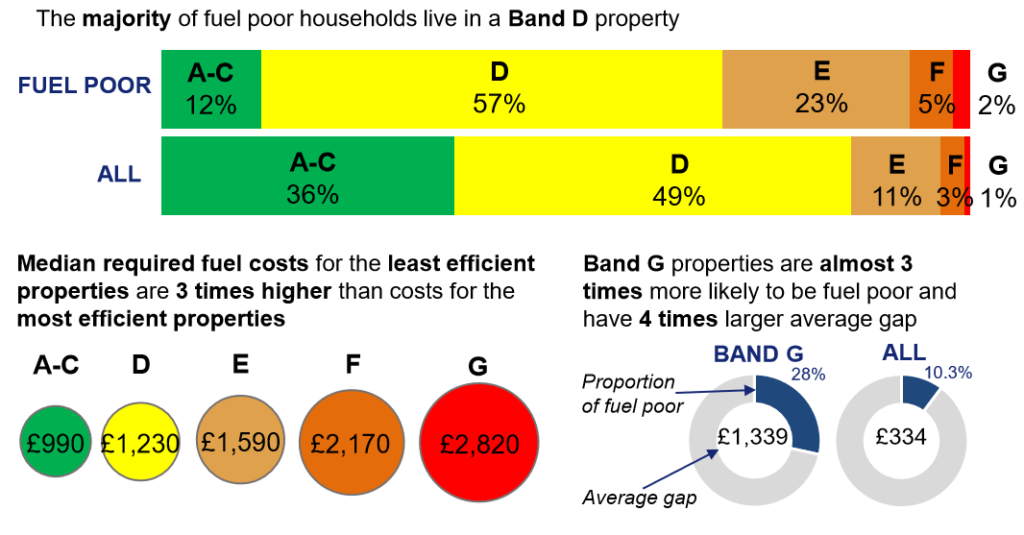
Residents in older dwellings
Residents in private rented properties
Single parents
These residents are likely to have higher fuel cost and properties that are not energy efficient. Blackburn currently has more than 10,000 households living in fuel poverty.
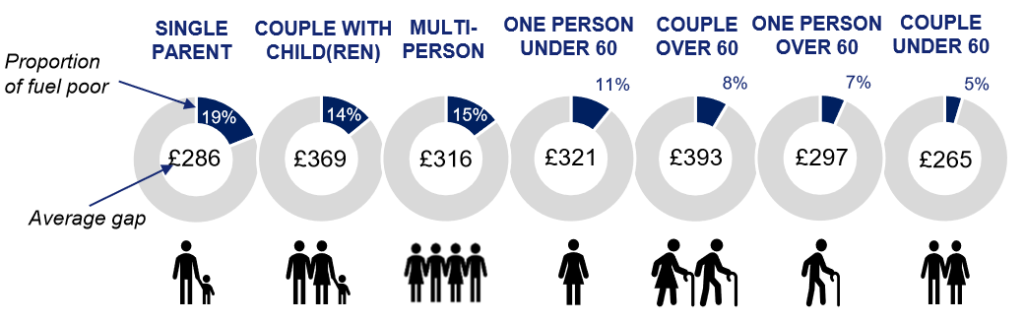
Single parent households are most likely to be fuel poor (19%) and couples over 60 have the largest average gap (£393)
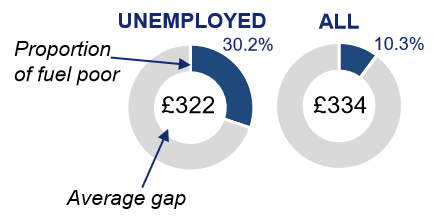
Households where the household reference person is unemployed are three times more likely to be in fuel poverty than the national average.
Impact of Fuel poverty
Living in Fuel poverty can have a major impact on the health and wellbeing of residents. Fuel poverty effects both adults and children causing detrimental and sometimes long lasting effects on householders. Unfortunately, some individuals are more likely to experience fuel poverty. Find out more about the impacts of fuel poverty on vulnerable groups including the elderly, people with low incomes and pregnant women…
Those in fuel poverty often have to face the choice of whether to ‘Heat or Eat’. Many residents face the reality of spending what they need to heat their home adequately and falling into debt; or rationing their energy use and living in cold damp homes. At the same time, they are having to choose whether to spend money on fuel and reduce their food bills or to feed themselves and the family and live in a cold home.
Although this can affect any groups, those that are classed as vulnerable are at most risk of harm due to living in a cold home. Blackburn with Darwen has many residents who are vulnerable due to age or ill health and who are at risk of having their health problems exacerbated by living in cold, damp conditions.
Fuel Poverty and Vulnerable Groups
The National Institute for Health and Care Excellence (NICE) recognises the following groups as being particularly vulnerable to cold living conditions:
Recent immigrants and asylum seekers
People with cardio-vascular conditions
People with respiratory conditions (In particular COPD and childhood asthma)
Those suffering from mental health conditions
People with disabilities
Older people (age 65 and over)
Households with young children (new born to school age)
Pregnant women
Low income households
People who have attended hospital due to a fall
People who move in and out of homelessness
People with addictions
Effects of fuel poverty
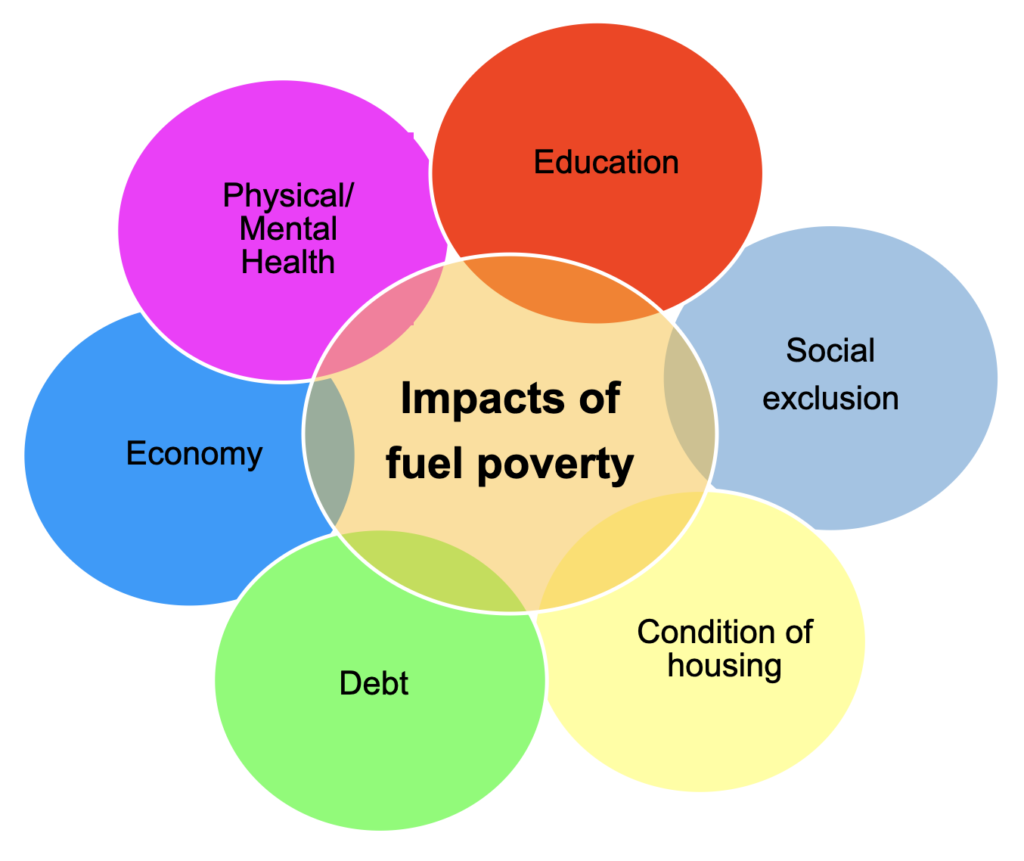
Unfortunately, the effects of fuel poverty are varied and plentiful. Not only does fuel poverty impact health, it also effects housing, education and even employment. Find out more about the effects of fuel poverty below…
Health Effects of Fuel Poverty
Physical Health
Fuel poverty and living in a cold home can have a major impact on both adults and children. It can cause or exacerbate serious illness such as respiratory and circulatory conditions in people who are vulnerable.
These can include:
- People with respiratory conditions (in particular, chronic obstructive pulmonary disease and childhood asthma)
- Pregnant women
- Terminally ill
- People with Suppressed immune systems (e.g. from cancer treatment or HIV)
- People with mobility issues
Mental Health
Fuel poverty can have a significant effect on mental health. Increasing anxiety, depression and stress. A number of studies in the past have highlighted the links between temperature and mental health issues. Living in damp, cold housing and being in fuel debt is associated with an increase in poor mental health.
Lifestyle Effects Of Fuel Poverty
Social Exclusion
Fuel poverty can cause social isolation and exclusion. People living in cold homes are less likely to invite anyone in to their home. Others will go to places like the library and stay there all day to keep warm.
Education
Fuel poverty can have a negative effect on educational attainment. Health problems due to living in a cold home can mean that children are off school more often. Often children living in such homes have no warm, separate room to do their homework. Substantial inequalities in attainment still persist between poorer children (those receiving free school meals) and other children.
Condition of housing
Living in fuel poverty can cause major problems on the condition of housing. Cold, uninsulated homes can have damp and condensation issues. Residents that are in fuel poverty are more likely to live in properties that are in disrepair or are energy inefficient. Typically, within the borough residents living in 1900’s terraced properties are more likely to be in some degree of fuel poverty. Living in a cold damp home can exacerbate certain health conditions such as asthma.
Debt
Fuel poverty can cause many issues with debt. Many households fall into debt because of a number of factors. These include loss of income, energy price increases, falling behind with energy payments and general inflation. Householders may need to borrow money, which further increase their debt. People and families in debt sometimes have a difficult choice between being able to afford to eat or heat the property.
Economy
Energy poverty has a close link with economic poverty.
The impact of fuel poverty can have a negative effect on the state of the economy. People living in cold homes or unheated homes are more likely to have physical and mental health conditions. The cost to the NHS and the strain it puts on these and other services such as social care can be major.
Get In Touch
Have a question about fuel poverty or want to know where you
Fuel poverty in winter
The impact of fuel poverty in winter is detrimental to the health of thousands of people across the UK, including many people in Blackburn with Darwen.
Impacts Of Fuel Poverty: Living in a cold home
The temperature, both indoor and outdoor plays a vital role in determining the health outcomes for people who are vulnerable.
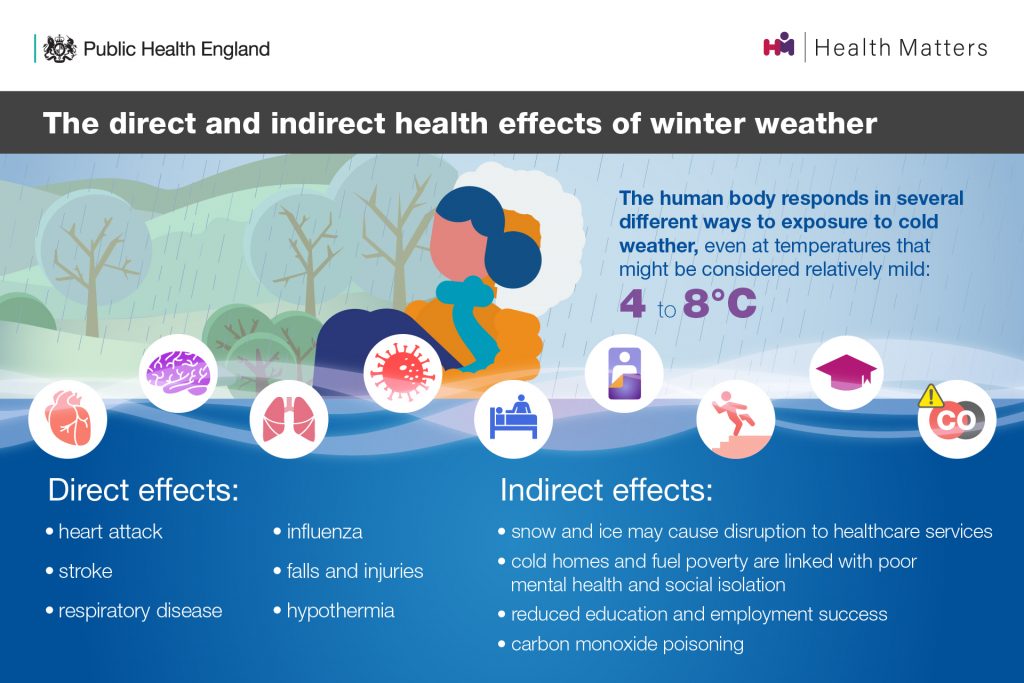
Vulnerable residents living in a cold home risk the increase of respiratory and circulatory condition, cardiovascular diseases, accidental injury though increased falls, and other illness such as arthritis, which are exacerbated by cold and damp conditions.
Evidence shows that living in cold homes is associated with poor health outcomes and an increased risk of morbidity and mortality for all age groups; furthermore, studies have shown that more than one in five (21.5%) excess winter deaths in England and Wales are attributable to cold housing.
There were an estimated 23,200 excess winter deaths, which occurred in England and Wales in the 2018 to 2019 winter (Office for National Statistics).
The effect of temperature on health
| Indoor temperature | Effect |
| 21° Celsius | Recommended living room temperature. Between 21° and 24° is the ideal living room temperature depending on individual preference |
| 18° Celsius | Minimum temperature with no health risk, though may feel cold. Between 18°and 20° is a comfortable bedroom temperature. |
| Under 16° Celsius | Resistance to respiratory diseases may be diminished. Between 15° and 18° there is a increased risk of respiratory illness. |
| 9–12° Celsius | Increased blood pressure and risk of cardiovascular disease. Between 12° and 15° there is an increased risk of Heart attack and strokes in vulnerable people. |
| Under 5° Celsius | High risk of hypothermia |
Impact Of Fuel Poverty In Winter: Excess Winter Deaths
Fuel poverty can cause many issues and has a close link to excess winter deaths. Around 25,000 more people die over the course of each winter compared to other times of the year. Plus, there are a range of conditions worsened by the cold weather — 80 per cent of these deaths are accounted for by people with circulatory diseases (such as heart disease, lung illnesses and stroke), dementia and respiratory diseases (such as asthma).
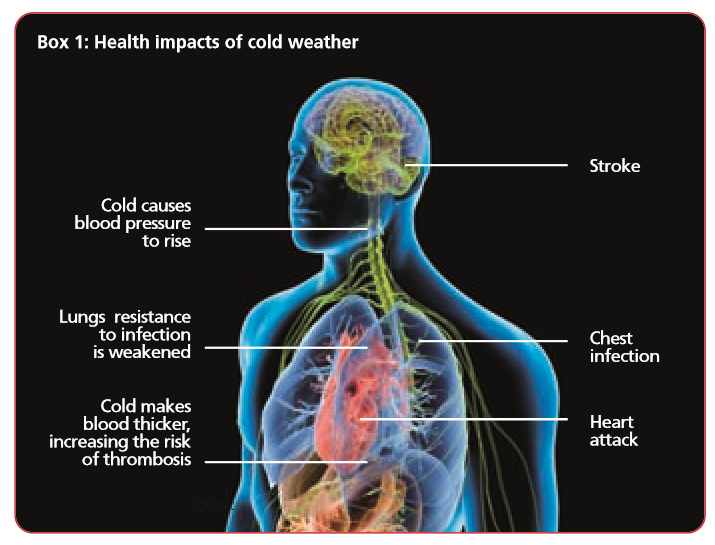
Exposure to cold indoor or outdoor temperatures increases blood pressure, thereby increasing the risk of heart failure, kidney disease, stroke or dementia. Cold temperatures can also make blood more likely to clot, which can lead to heart attacks and stroke.
In addition, cold can also affect the respiratory system, which reduces the lung’s ability to fight off infection explaining why lower temperatures are linked with bronchitis and pneumonia.
Colder weather is not only associated with an increase in deaths but also has a significant impact on the number of people becoming ill. This increases the winter pressures felt by the health care services. Research shows that for every one degree centigrade drop below five degrees in outdoor average temperatures, there is more than a 10 per cent increase in older people consulting their GP for breathing problems. There’s also a 0.8 per cent increase in emergency hospital admissions and a 3.4 per increase in deaths.
Impacts Of Fuel Poverty: Increased Falls
Fuel poverty can cause many issues especially with the elderly or health vulnerable. Living in a cold home for people within this category can increase there chances of falls. As the property gets colder the chances of a heart attack or strokes get bigger and this can lead to falls within the property or even outside. Living in a cold home can have a negative impact on conditions such as arteritis.
Stiffness of the joints, lack of circulation and pain can also cause falls within the home. The hospital admission numbers for the elderly who have had falls in the home tend to go up through the winter months. This can put an immense strain on the NHS as well as having a physical and mental impact on the patient.
Need Help?
Are you living in fuel poverty in Blackburn with Darwen? BeWell BwD may be able to help. We aim to highlight the range of resources and support available in the area. Find out more about your local services or get in touch with our team.
Fuel poverty in BwD
Need to add
Policy drivers
This section highlights the key national and devolved policies for addressing the drivers of fuel poverty. These fuel poverty policy drivers aim to reduce fuel poverty in the UK.
The Governments Fuel Poverty Strategy
The Department for Business, Energy and Industrial Strategy (BEIS) has recently published a report – Sustainable Warmth Protecting Vulnerable Households in England (February 2021). ( Sustainable warmth: protecting vulnerable households in England (publishing.service.gov.uk)). The report highlights the strategies and policies to address fuel poverty. This strategy is designed to ensure that people in fuel poverty have access to affordable, low-carbon warmth and help in the transition to net zero and the work required to meet the fuel poverty targets.
The Department for Business, Energy and Industrial Strategy have said-
Fuel poverty is the problem faced by households living on a low income in a home which, cannot be kept warm at reasonable cost. Sustainable Warmth, the updated Fuel Poverty Strategy for England, sets out how we will tackle fuel poverty, while at the same time decarbonising buildings, so that those in fuel poverty are not left behind on the move to net zero, and, where possible, can be some of the earliest to benefit.
The strategy announces the expansion of the Energy Company Obligation (ECO), which will run from 2022 to 2026, with an increase in value from £640 million to £1 billion per year. The updated strategy additionally announces details of new funding of £150 million for the Home Upgrade Grant.
It builds on the 2015 fuel poverty strategy, and is supported by feedback from the 2019 consultation on a fuel poverty strategy for England.
The fuel poverty target and carbon reduction targets for England
The fuel poverty target is –
The fuel poverty target is to ensure that as many fuel poor homes as is reasonably practicable achieve a minimum energy efficiency rating of Band C, by 2030.
Along with the fuel poverty strategy, the government has also set targets for net zero and carbon emission reductions –
The target will require the UK to bring all greenhouse gas emissions to net zero by 2050
In order to meet the targets the government have set up fuel poverty policy drivers and funding mechanisms for Local authorities.
This section summarises the most relevant National policies, professional organisation polices and Local policies to address fuel poverty and health inequalities. In line with government recommendations, Blackburn with Darwen Borough Council, along with dealing with Fuel Poverty are also looking at a Climate Change policy and ways to meet the net zero target set by government.
Energy Company Obligation (ECO)
Energy Company Obligation (ECO) is a Government energy efficiency scheme in Great Britain to help reduce carbon emissions and tackle fuel poverty. ECO is an obligation placed on the largest energy suppliers to provide funds to support households install energy efficiency improvements, including insulation and some heating improvements in low income and vulnerable households.
Minimum Energy Efficiency Standards (MEES)
The Minimum Energy Efficiency Standards (MEES), are a minimum energy efficiency level for domestic private rented properties, set and enforced by the government. This standard applies to all domestic private rented properties that are legally required to have
an Energy Performance Certificate (EPC).
Currently, unless a registered exemption applies, the minimum energy efficiency standards (MEES) make it unlawful for residential landlords to let or continue to let certain domestic private rented property with an EPC rating of F or G.
Home Energy Conservation Act
The Home Energy Conservation Act 1995 (HECA) requires all local authorities (LAs) in England to submit reports to the Secretary of State demonstrating what energy conservation measures they have adopted to improve the energy efficiency of residential accommodation within that Local Authority’s area. This covers measures to improve properties in the owner-occupier, private rented sector, and social rented sector. The Local authority is required to report to the Department for Business, Energy and Industrial Strategy (BEIS) every 2 years. The latest HECA report was in 2021.
Clink on link below to see the Blackburn with Darwen Borough Council HECA report
Housing Health Safety Rating System (HHSRS)
The housing health and safety rating system (HHSRS) is a risk-based evaluation tool to help local authorities identify and protect against potential risks and hazards to health and safety from any deficiencies identified in dwellings. It focuses on identifying and tackling the hazards that are most likely to be present in housing to make homes healthier and safer to live in.
The system can deal with 29 hazards relating to:
- Dampness, excess cold/heat
- Pollutants e.g. asbestos, carbon monoxide, lead
- Lack of space, security or lighting, or excessive noise
- Poor hygiene, sanitation, water supply
- Accidents – falls, electric shocks, fires, burns, scalds
- Collisions, explosions, structural collapse
Each hazard is assessed separately, and if judged to be ‘serious’, with a ‘high score’, is deemed to be a category 1 hazard. All other hazards are called category 2 hazards.
The Cold Weather Plan
The Cold Weather Plan for England (CWP) aims to prevent the major avoidable effects on health during periods of cold weather by raising both professional and public awareness. The plan is produced by the Department of Health, Public Health England and NHS England
Copy of the plan can be found at –
Joint Strategic Needs Assessment 2020
The purpose of the Joint Strategic Needs Assessment (JSNA) is to improve the health and wellbeing of the local community and reduce inequalities for all communities. The core aim of the JSNA is to develop local evidence based priorities for commissioning.
The Blackburn with Darwen Joint Strategic Needs Assessment looks at and helps professionals understand the needs and assets of Blackburn with Darwen and its residents. Overall, it’s about how the population of the borough is made up, what we know about how healthy it is, and the assets people and communities have to help them to stay healthy.
Copy of the Blackburn with Darwen JSA can be found at –
Joint strategic needs assessment | Blackburn with Darwen Borough Council
Health and Wellbeing strategy
Blackburn with Darwen Health and Wellbeing Strategy looks at addressing poverty in its broadest sense, with fuel poverty as a key element within that. This is a key priority outlined in the borough’s Health and Wellbeing strategy. The Council is also working with Child Action on Poverty during 2021 to develop a plan for tackling child poverty in Blackburn with Darwen. This will also include raising awareness of fuel poverty, tackling the stigma associated with it and promoting the support available to residents in need of help.
Blackburn with Darwen Climate Emergency Action Plan
The Council declared a Climate Emergency in July 2019 and pledged to be carbon neutral by 2030. A Climate Emergency Action Plan setting out how this would be achieved was published in February 2020 https://democracy.blackburn.gov.uk/documents/s9700/BwD%2520Climate%2520Emergency%2520Action%2520Plan.pdf
Tackling fuel poverty is one of the Plan’s objectives, as making homes more energy efficient can reduce emissions as well as bills.
Referrals
Need to add